ABOUT THIS COURSE
This course teaches you everything you need to know about running brainstorms and generating ideas.
It takes you through how to prepare, how to invite the right people, and what techniques to use.
There are 60 approaches to generating ideas, developing them and understanding them.
It also guides you through judging them, enacting them, and explaining ad selling them to others.
All in all, this a highly comprehensive package on innovation and idea generation that you can use again and again throughout your working life.
Who it is aimed at
• Anyone needing to run a brainstorm
• All innovators
• Anyone needing to generate smart ideas
How it works
• Six modules, each with 10 parts
• Video = 30-40 minutes per module
• Support material, exercises and downloads
• Allow one hour per module
• Six hours for the whole course
What you get out of it
• Complete confidence in running ideas sessions
• A suite of idea generation techniques you can use again and again
• Money generating ideas to help any business
The Modules
Module 1: Preparing to generate ideas
Module 2: Generating initial ideas
Module 3: Developing and understanding ideas
Module 4: Judging ideas
Module 5: Enacting ideas
Module 6: Explaining and selling ideas
KEVIN DUNCAN
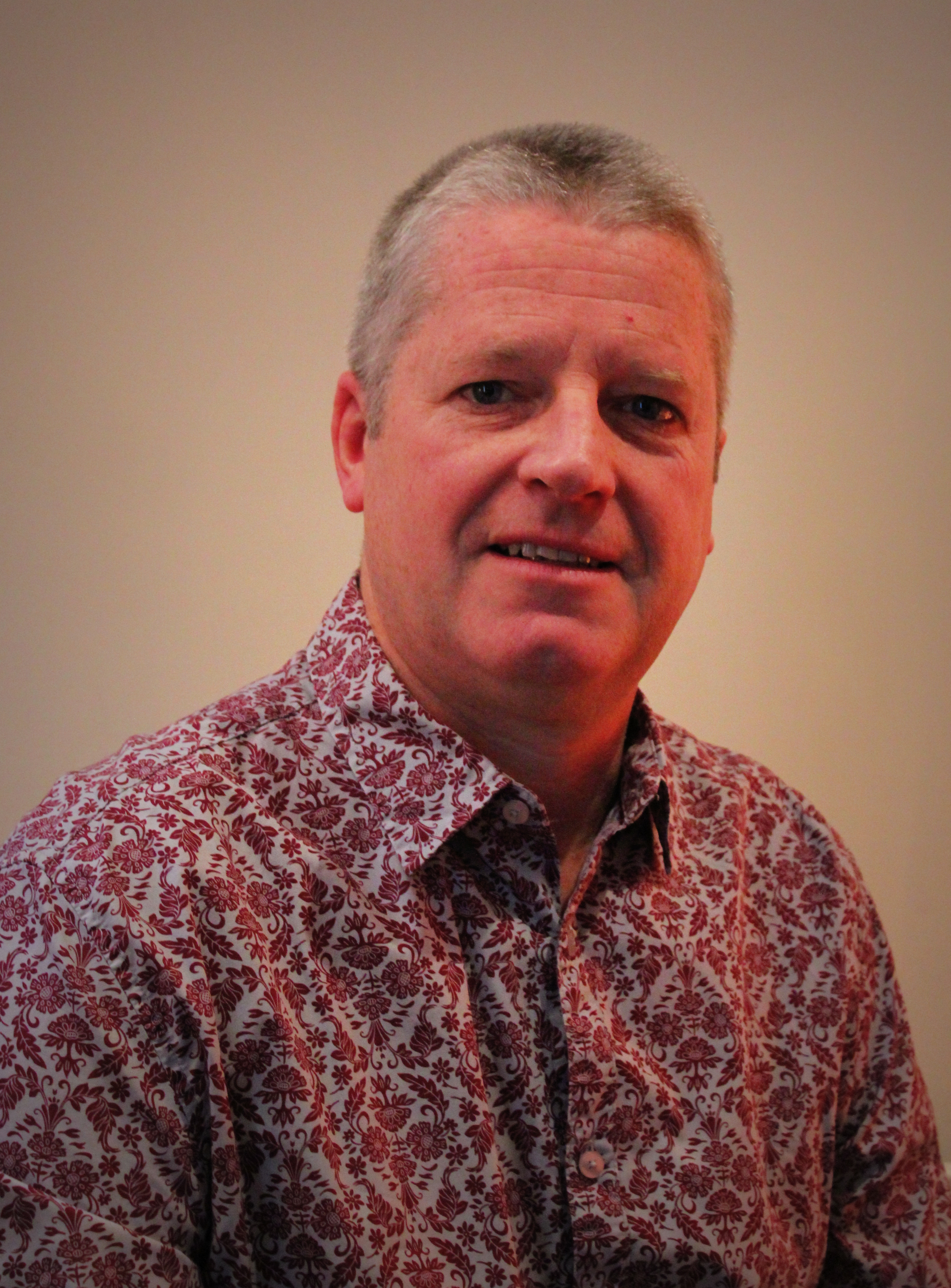
Kevin is a business adviser, marketing expert, motivational speaker and author.
He is the UK’s best selling business author. He has written over 20 books, which have sold over 250,000 copies. They have been voted Telegraph Business Club Book of the Week, WHSmith Book of the Month, Foyles Book of the Month, nominated for CMI Management Book of the Year, and translated into over a dozen languages.
After 20 years in advertising and direct marketing, he has spent the last 20 years as an independent troubleshooter, advising companies on how to improve.
In agencies, he worked with over 400 clients, deployed £600m of funds on more than 200 brands, oversaw over 1,000 projects, and won 35 awards for creativity and effectiveness.
As Expert Advice, Kevin has completed over 800 jobs for 180 clients, including Dentsu, Design Bridge, Discovery Channel, EE, Facebook, The Guardian, Havas, Hearts & Science, Initiative, Iris, JLL, JWT, London School of Economics, M&C Saatchi, Metro, Mediacom, Mindshare, Moonpig, News UK, Ogilvy, Publicis, RBS, Royal Mail, Saatchi & Saatchi, Strutt & Parker, UM, and the World Federation of Advertisers.
EXAMPLE CONTENT
.
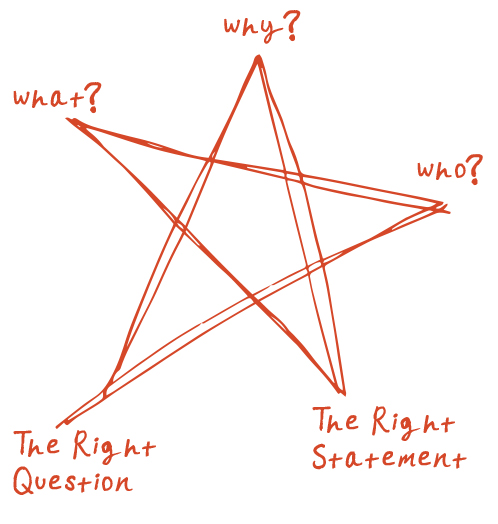
The best briefs are clinically simple. If you are running an ideas session, or simply setting yourself a task, you should restrict yourself to one sentence. This is worth spending a lot of time on, because if it is not clear, no decent response will be forthcoming. Start with what? What are we trying to achieve? Then confirm the sense of that by asking why? Why are we trying to do this? If the answers are too vague or unsatisfactory, then change the what, or scrap the project altogether. Then describe the who? Who is this aimed at? The brief can now be expressed as a statement (Our objective is to revolutionize the X category), or a question (How do we double the size of Brand X?) If the thinking is sufficiently clear and robust, it may be acceptable to have both an objective and a question: Our objective is to revolutionize the X category. What single product feature would achieve this?
.
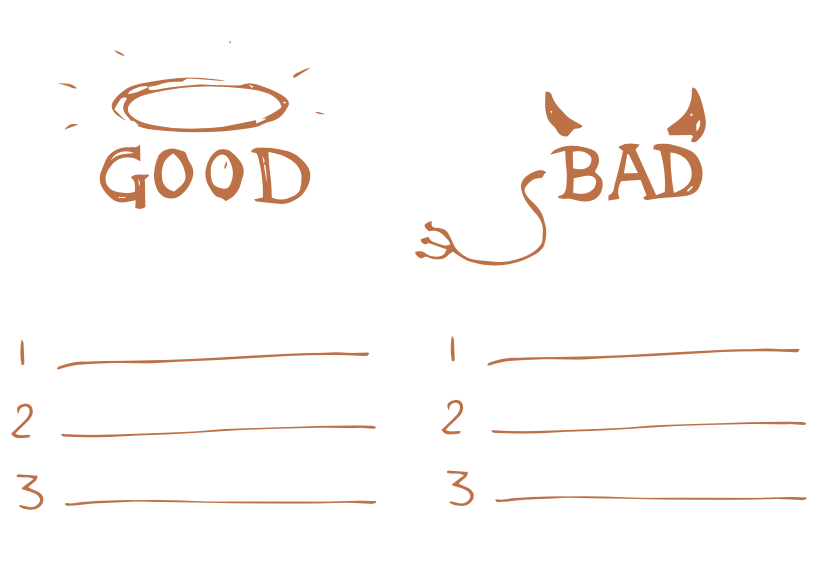
Many idea sessions are derailed by negative material and attitude. It only takes one moaner and the whole thing can veer off in an unwanted direction. If you believe this is a possibility, then the Three Good Three Bad technique is excellent for combating it. Instead of allowing negative comment to creep in to proceedings, the technique deliberately seeks out the bad stuff, deals with it early, and offsets it with good stuff. This is sometimes called the car park - a place where all the negativity is parked. All attendees are asked to write down 3 bad things about the product/project/brief, and then 3 good. This draws the sting of all negative comment. They are not forced to generate three of each, but three is the maximum. The results are reviewed and summarized by the facilitator. Usually there is a significant overlap, and there is much to be learned about the degree of consensus, or an absolute focus on just one deficiency. It also shows how much the attendees really know about the subject. The exercise should always be done first, and should never last more than one hour, or 20% of the meeting time. All the good features are then used as inspiration to go on to provide an excellent solution
.
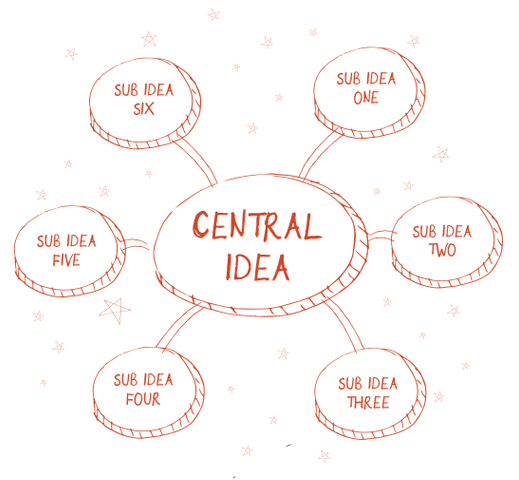
Sometimes an idea isn’t an idea on its own. Instead, it is interrelated with others, or has a number of sub-themes. If that is the case, then you can organise the various parts with The Central Idea Satellite System, which links them together in a layout reminiscent of satellites orbiting around a central planet. The hub of the idea sits in the centre, and is represented by the largest circle to denote its importance. Smaller satellites are then spun around it, normally a minimum of three and a suggested maximum of six. If there are less than three satellites, then the idea might not be as fertile as you first thought. Thematically the satellite ideas must be related to the central one. Use the diagram to explain the idea to others, and if necessary populate it with directional arrows to show what has an influence on what.
COURSE CONTENT
Other courses for you .....
Let’s keep in touch
Subscribe to the mailing list and receive the latest updates