ABOUT THIS COURSE
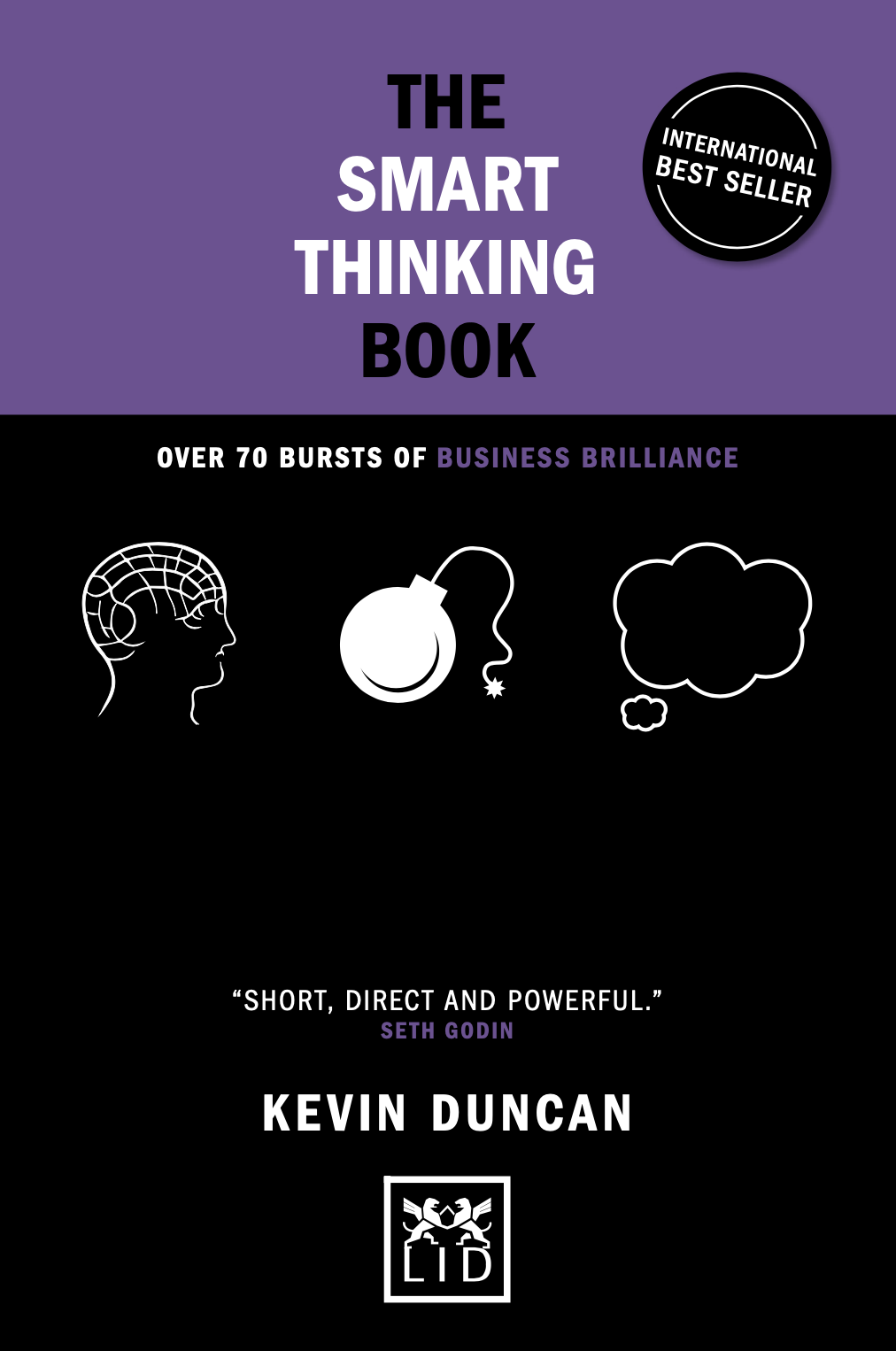
This course provides fast provocations that you can use to stimulate any meeting or your own thinking on a range of topics.
It works on the principle that smart thinking doesn't have to take long.
It contains 70 pieces of distilled wisdom in the form of sticky notes and a short anecdote. Read each piece of advice in one minute, or every idea in about an hour.
Growth, communication, innovation, creativity, relationships and thinking are all covered.
There is no long-winded theory or dense discussion - just fast ideas to set you thinking.
Inspire yourself and your business with some Smart Thinking.
Who is it aimed at
Anyone who is interested in smarter thinking
All those working in progressive businesses
Anyone interested in growth, communication, innovation, creativity, relationships, and thinking
How it works
6 modules, each with 12 parts
Video = 30-40 minutes per module
Support material, exercises and downloads
Allow 1 hour per module
6 hours for the whole course
What you get out of it
Complete confidence in discussing advanced business matters
A suite of 72 provocations you can use again and again
Mental stimulation to help almost any business
The Modules
Module 1: Growth
Module 2: Communication
Module 3: Innovation
Module 4: Creativity
Module 5: Relationships
Module 6: Thinking
KEVIN DUNCAN
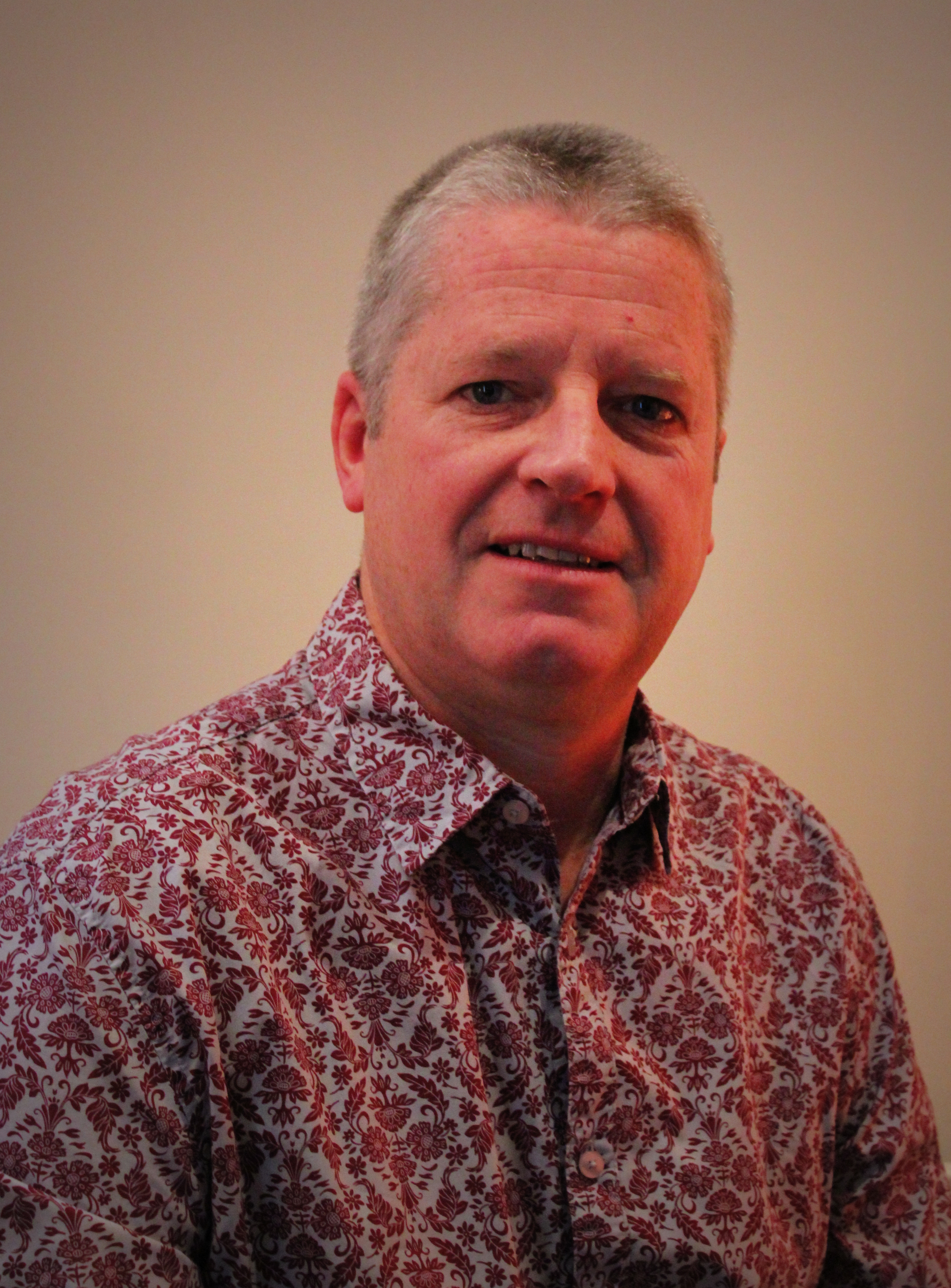
Kevin is a business adviser, marketing expert, motivational speaker and author.
He is the UK’s best selling business author. He has written over 20 books, which have sold over 250,000 copies. They have been voted Telegraph Business Club Book of the Week, WHSmith Book of the Month, Foyles Book of the Month, nominated for CMI Management Book of the Year, and translated into over a dozen languages.
After 20 years in advertising and direct marketing, he has spent the last 20 years as an independent troubleshooter, advising companies on how to improve.
In agencies, he worked with over 400 clients, deployed £600m of funds on more than 200 brands, oversaw over 1,000 projects, and won 35 awards for creativity and effectiveness.
As Expert Advice, Kevin has completed over 800 jobs for 180 clients, including Dentsu, Design Bridge, Discovery Channel, EE, Facebook, The Guardian, Havas, Hearts & Science, Initiative, Iris, JLL, JWT, London School of Economics, M&C Saatchi, Metro, Mediacom, Mindshare, Moonpig, News UK, Ogilvy, Publicis, RBS, Royal Mail, Saatchi & Saatchi, Strutt & Parker, UM, and the World Federation of Advertisers.
EXAMPLE CONTENT
.
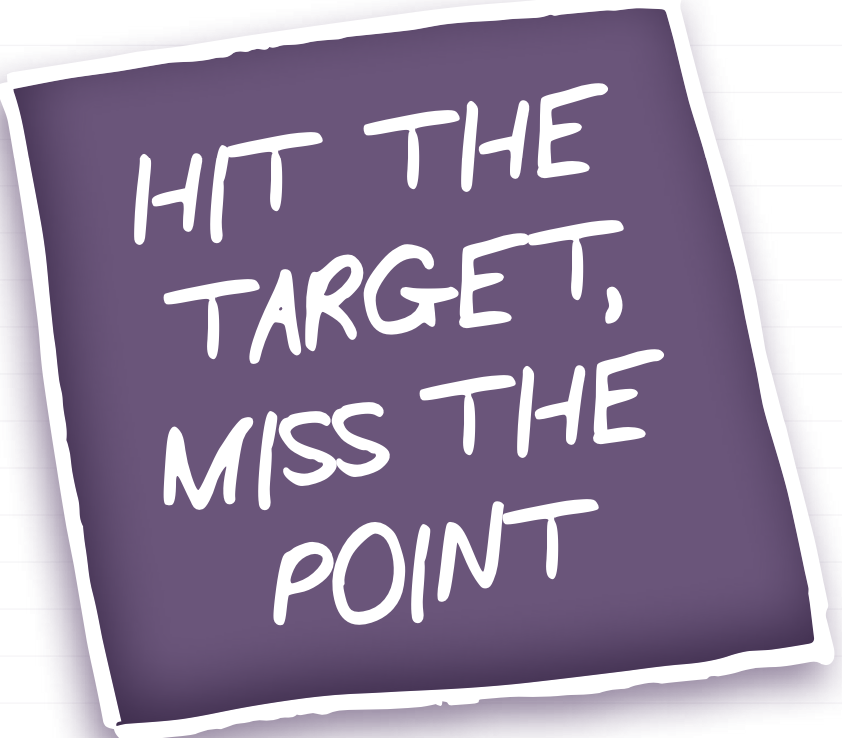
A target is just a target. It’s something to aim at, but you might not hit it. A percentage is just a percentage. A percentage of what? 1% of a lot might be a lot. 99% of not very much might be... not very much. So arbitrarily adding 10% to last year’s target may well be pointless. There is absolute performance, and there is relative performance. Absolute performance is what you want to achieve. Relative performance compares yours with the competition. Do you really care what they do? Or would you rather concentrate on your own intentions and aspirations? By all means set targets, but do it on your own terms.
'
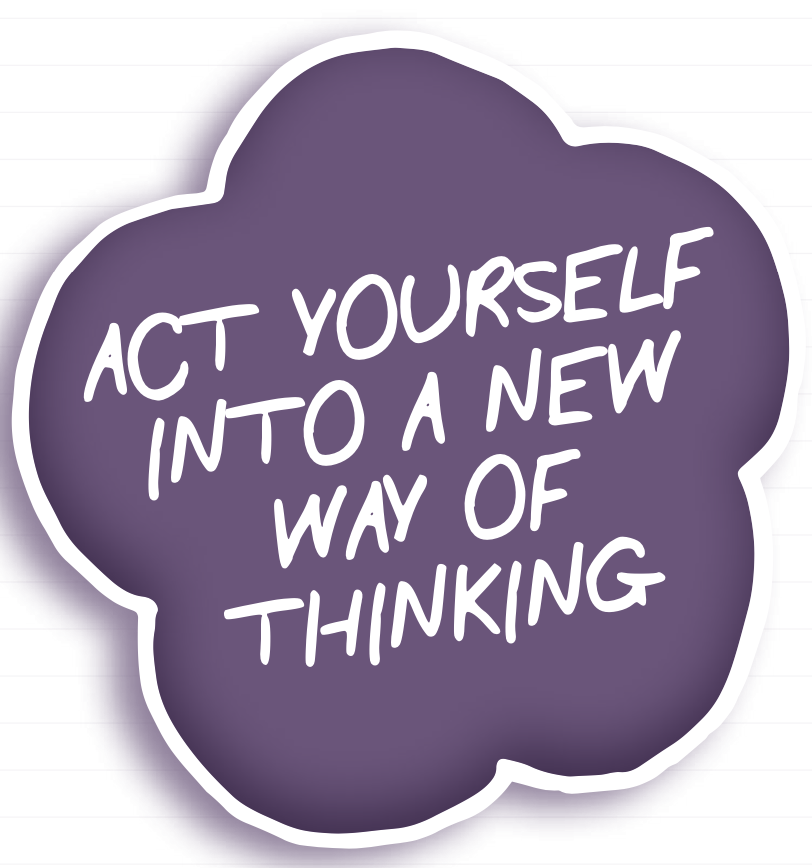
People love sitting around talking about strategy. It gives them an excuse to drink coffee and eat biscuits on company time. But strategy is just a grand sounding word for what you have decided to do. Unless you get on and do it, you’re just talking. Old academic joke: “Yes it works in practice, but does it work in theory?” So, if your team or company spends too much time talking and not enough time doing, then they could do worse than heed this observation from business writer Richard Pascale. “People are much more likely to act their way into a new way of thinking than think their way into a new way of acting.” In other words, once the thinking is done, stop talking and get on with it. Then you’ll really know if it works in practice.
.
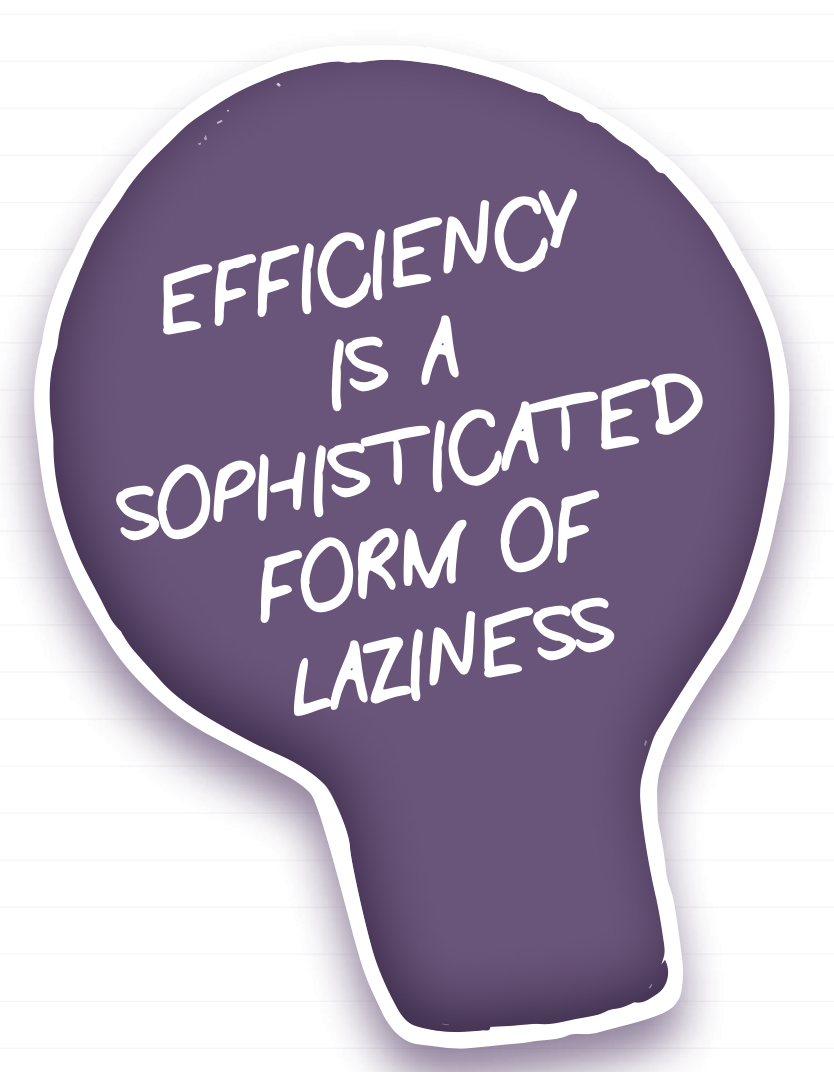
The more organized you are, the more you can relax. That might not mean being lazy, but it might not be far off. Here’s the logic. If you take the time to organize a day, a week, a project, or any other task, you can then proceed in an orderly fashion and get on with it. In the right order, all in good time. That reduces the need to flap around at the last minute. Which gives you more thinking time, or lazing around time if that’s what you prefer. As poet Ron Serino said: “Freely chosen, discipline is absolute freedom.” It’s a virtuous circle. It is, however, important to note that it does not work the other way round. Lazing around for ages and then expecting everything to fall into place at the last minute doesn’t work. The relaxation or calmness only follows when the organizational work has been done.
COURSE CONTENT
Other courses for you .....
Let’s keep in touch
Subscribe to the mailing list and receive the latest updates